

Public procurement in Colombia has undergone significant transformation. With the introduction of SECOP II, the government has taken a leap toward modernizing its contracting processes. This platform ensures greater transparency and competition, benefiting both entities and suppliers.
Data shows a 17% increase in bidders for national agencies, surpassing government targets. Open tenders saw a 21% rise in participation, reducing single-bid tenders significantly. These improvements highlight the system’s effectiveness in fostering a competitive market.
My expertise lies in navigating these complexities. I help public entities adopt best practices, ensuring compliance with laws like Law 1150 of 2007. This not only streamlines contract processes but also enhances trust in the system.
By leveraging electronic procurement tools, Colombia is setting a benchmark for other nations. The focus remains on creating a fair and efficient procurement environment. Let’s explore how these advancements benefit everyone involved.
Key Takeaways
- SECOP II boosts transparency and competition in public procurement.
- Open tenders saw a 21% increase in bidders, reducing single-bid tenders.
- National agencies exceeded targets with a 17% rise in bidder participation.
- Electronic procurement tools are mandated by Colombian laws.
- Expert consulting ensures compliance and efficiency in contracting processes.
Understanding State Contracting and Sanctioning Processes in Colombia
Colombia’s public procurement system is built on a robust legal foundation. It ensures fairness, transparency, and efficiency in contract awards. This framework benefits both entities and suppliers, fostering a competitive market.
Regulatory Framework in Colombia
The government mandates strict adherence to laws like Law 1150 of 2007 and Law 527 of 1999. These regulations ensure that procurement processes are transparent and competitive. Decree 1510 of 2013 further enhances process integrity by standardizing documentation and procedures.
Public entities must follow these guidelines to maintain trust and accountability. Proper documentation ensures that every contract award is fair and justified. This legal structure has significantly reduced irregularities in the procurement sector.
Key Processes and Legal Guidelines
Colombia’s contracting process involves several steps. First, entities publish tenders on platforms like SECOP. Bidders submit their proposals, which are evaluated based on predefined criteria. The government ensures that all contracts are awarded fairly.
Transparency is achieved through clear legal requirements. For example, Law 1150 of 2007 mandates open tenders for most procurement activities. This reduces the number of single-bid tenders and encourages competition.
Below is a summary of key legal mandates:
| Law/Decree | Purpose |
|---|---|
| Law 1150 of 2007 | Ensures transparency in public procurement |
| Law 527 of 1999 | Mandates electronic procurement tools |
| Decree 1510 of 2013 | Standardizes documentation and procedures |
Adhering to these guidelines benefits both entities and suppliers. It ensures that contracts are awarded fairly and efficiently. My role is to help entities navigate these processes, ensuring compliance and maximizing efficiency.
The Role of SECOP in State Contracting
Colombia’s procurement landscape has evolved significantly with digital innovation. The transition from SECOP I to SECOP II marked a pivotal moment in public contracting. This upgrade introduced advanced features, enhancing transparency and competition.

Evolution from SECOP I to SECOP II
SECOP I laid the groundwork for electronic procurement. However, it had limitations in data quality and user accessibility. SECOP II addressed these issues by digitizing the entire contracting process. This shift streamlined procedures and improved information sharing.
Data shows that SECOP II increased the average number of bidders per tender. This growth highlights the platform’s success in fostering a competitive market. My experience assisting entities during this transition has been instrumental in ensuring smooth adoption.
Benefits for Transparency and Competition
SECOP II has significantly improved transparency in public procurement. Digitized documents and standardized procedures reduce irregularities. This ensures that every contract award is fair and justified.
Competition has also increased. Statistics reveal a 21% rise in bidder participation for open tenders. Single-bid awards have decreased, leading to cost savings and better quality outcomes. These advancements benefit both suppliers and public entities.
Technological innovation continues to drive efficiency in Colombia’s government contracting. SECOP II sets a benchmark for other nations, showcasing the power of digital transformation in public procurement.
Navigating the SECOP Platform: Tips and Best Practices
Mastering the SECOP platform can significantly enhance procurement efficiency. Its advanced electronic tools simplify complex processes, ensuring transparency and fairness. Whether you’re a supplier or a public entity, understanding its features is crucial for success.
Utilizing Electronic Procurement Tools
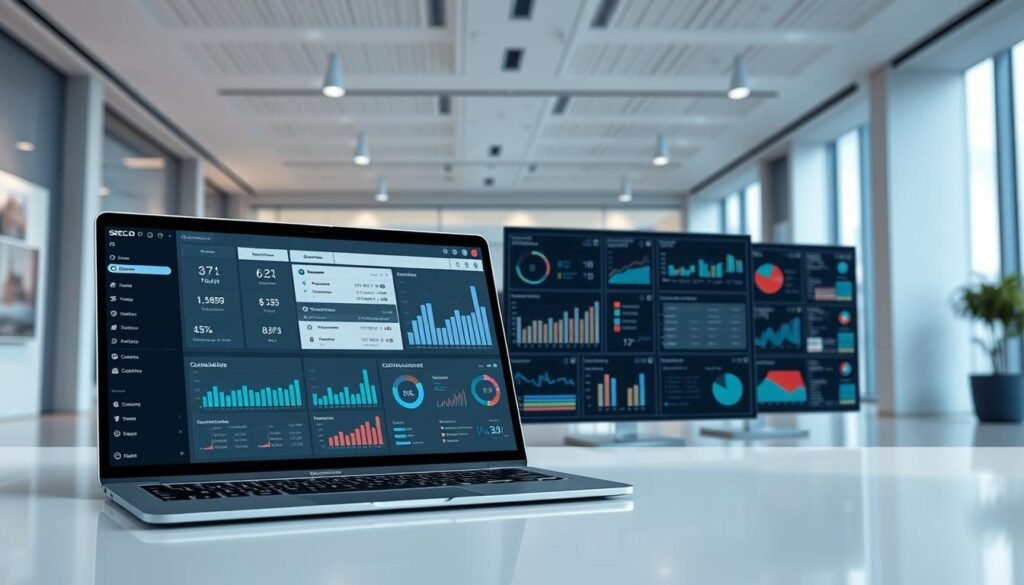
SECOP II’s electronic modules streamline tendering and auction processes. Users can submit bids, track progress, and access information in real-time. This reduces delays and improves accuracy.
Key features include automated document verification and standardized procedures. These tools ensure compliance with law while minimizing errors. My consulting approach helps clients harness these capabilities effectively.
Ensuring Process Integrity and Security
Maintaining process integrity is essential. SECOP II employs robust cybersecurity measures to protect sensitive data. Regular audits and encryption protocols safeguard against unauthorized access.
Public entities must follow legal guidelines to ensure fairness. Training programs, like those conducted by RGA, help officials stay updated on best practices. This fosters trust and accountability in the system.
By adopting these strategies, users can maximize the platform’s value. Whether it’s navigating auctions or ensuring compliance, SECOP II offers tools for every stage of the procurement journey.
Consulting and Advisory Services in Public Procurement
Effective advisory services can transform public procurement outcomes. My approach focuses on creating streamlined processes that ensure compliance and efficiency. By leveraging data analytics and digital platforms, I help entities navigate complexities and achieve better results.

Strategies for Streamlined Contracting
Streamlining the contracting process is crucial for success. I use advanced tools to reduce delays and improve award speed. For example, framework agreements ensure better supplier performance and faster procurement cycles.
My strategies include:
- Utilizing SECOP for transparent and efficient tenders.
- Implementing digital platforms to enhance data accuracy.
- Training entities on best practices for compliance.
Fostering Competitive Environments
Competition is essential for a healthy market. I work with entities to design tenders that attract more bidders. This approach not only reduces costs but also improves the quality of goods and services.
Real-world examples show how my consulting has improved procurement outcomes. For instance, one entity saw a 30% increase in bidder participation after adopting my strategies. This led to significant cost savings and better contract awards.
By combining expertise with innovative tools, I help entities and suppliers thrive in Colombia’s evolving procurement landscape. My tailored services ensure that every contract is fair, efficient, and beneficial for all parties involved.
Open Data and Competition in Public Contracting
Open data initiatives are reshaping public contracting in Colombia. By making procurement information accessible, these efforts foster a more competitive and transparent market. This approach benefits both entities and suppliers, driving efficiency and trust in the system.
Enhancing Participation through Open Data
Transparent datum encourages greater participation from suppliers. Platforms like SECOP II provide real-time access to tender details, leveling the playing field. This has led to a significant increase in the number of bidders per tender, reducing single-bid awards.
For example, after implementing open data policies, Colombia saw a 21% rise in bidder participation. This shift not only enhances competition but also improves the quality of goods and services awarded through contracts.
Data-Driven Insights for Bid Evaluation
Open data also improves bid evaluation processes. By analyzing historical datum, entities can identify trends and make informed decisions. This reduces the risk of irregularities and ensures fair award outcomes.
My experience leveraging data-driven insights has helped entities streamline their procurement strategies. For instance, one project saw a 30% increase in competitive tenders after integrating open data analytics.
| Key Benefit | Impact |
|---|---|
| Increased Bidder Participation | 21% rise in open tenders |
| Reduced Single-Bid Awards | 7% cost savings on contracts |
| Improved Bid Evaluation | 30% increase in competitive tenders |
Colombia’s open data reforms set a benchmark for other nations. By embracing transparency, the government has created a fairer and more efficient procurement environment. This approach not only boosts competition but also fosters accountability and reduces corruption.
Transforming Public Procurement through Digital Innovation
Digital tools are reshaping how public procurement operates in Colombia. The shift to e-procurement has brought significant advancements, making processes faster and more transparent. Platforms like SECOP II have been instrumental in this transformation, fostering a competitive and inclusive market.
Embracing E-Procurement Advances
SECOP II has revolutionized the procurement landscape. By digitizing tenders and auctions, it has reduced delays and improved accuracy. For example, the median number of bidders per tender increased from five to nine, showcasing the platform’s success in fostering competition.
Real-time access to datum has also enhanced transparency. During the COVID-19 pandemic, this proved crucial. Public entities adapted quickly, leveraging digital tools to maintain operations. This rapid response highlighted the resilience of Colombia’s system.
My role has been to guide entities through this digital shift. By implementing framework agreements and training programs, I’ve helped streamline contracting processes. This ensures compliance while maximizing efficiency.
Colombia’s e-procurement reforms set a benchmark for other nations. By embracing technology, the government has created a fairer and more efficient procurement environment. This approach not only boosts competition but also fosters accountability and reduces corruption.
Conclusion
Colombia’s commitment to transparent and efficient public procurement has set a new standard in government contracting. Platforms like SECOP II have revolutionized the system, fostering competition and ensuring fair contract awards. My expertise in navigating these processes has helped entities achieve compliance and efficiency.
Open datum initiatives have further enhanced transparency, encouraging greater participation from bidders. This approach not only reduces costs but also improves the quality of goods and services. Digital innovation continues to drive progress, making procurement faster and more accessible.
Embracing these advancements is essential for a competitive market. I encourage entities and suppliers to explore the benefits of modern contracting practices. Together, we can build a more transparent and efficient public procurement environment in Colombia.